Donate Samples
Donating samples and why they are important
Biological samples are critical for expanding our knowledge of rare genetic disorders. Our team uses multidisciplinary assays (tests) to study molecular mechanisms underlying these rare conditions. Cell samples from your blood and skin samples pave the way for identifying treatments and other therapeutic options, and in some cases, may help support a diagnosis.
Types of samples
There are two types of samples collected by the biobank. The study team will advise on what sample type or types would be most helpful to collect. Participation is always voluntary.
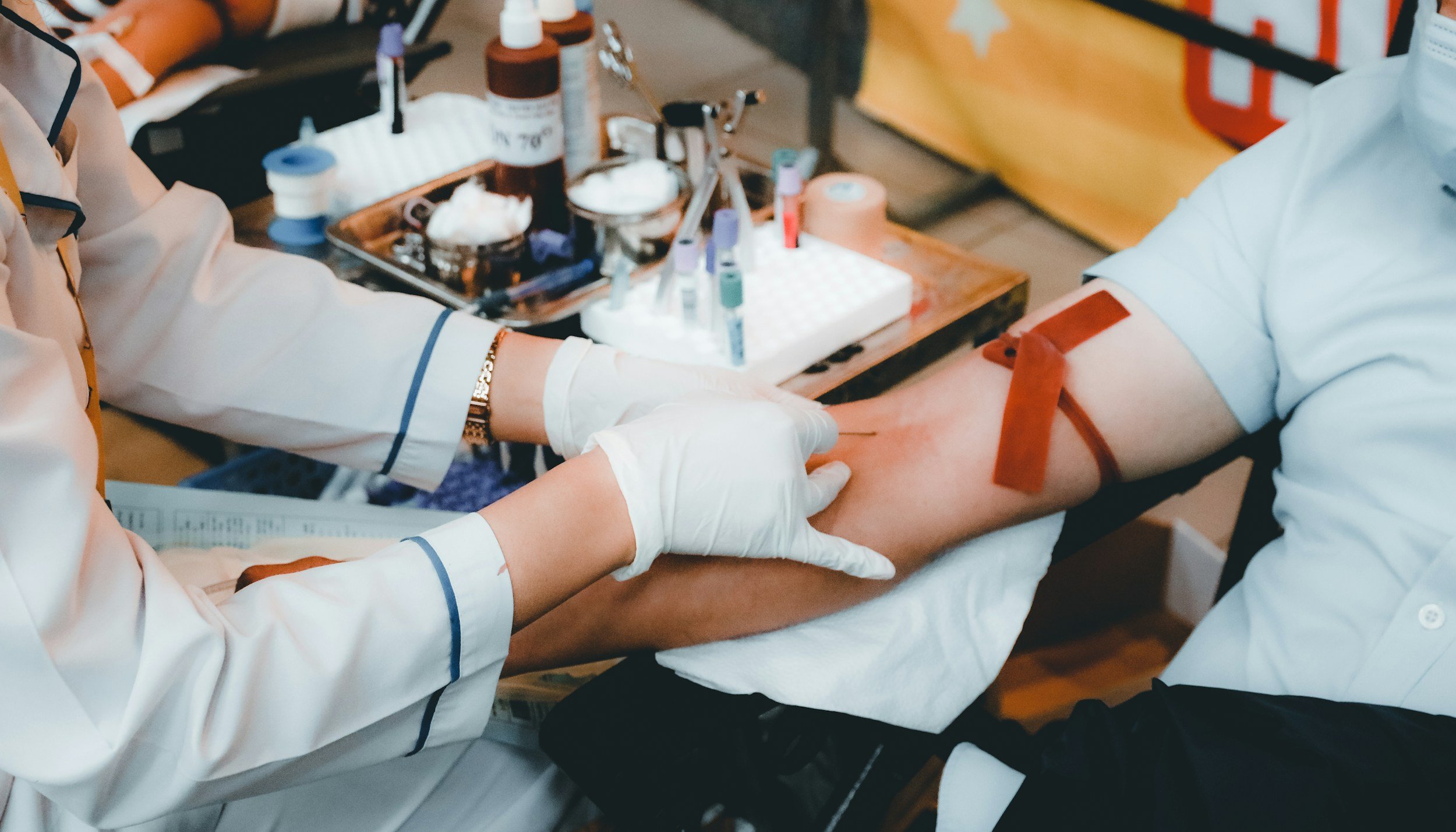
Blood samples: Blood samples (typically between 8 and 15ml / 2tsp and 1tbsp). We will not ask for more blood than is safe to draw for your body.
Skin samples: A skin biopsy is a removal of a small piece of skin about half as big around as the tip of a new crayon. We will use numbing medicine and steristrips. Stitches won’t be required.
How to contribute a sample
1. Parents must complete a brief questionnaire online about their child’s medical history and test results from their physicians. Please email Dr. Bianca Russell for these questionnaires (ASXL-CHROMATIN-REGISTRY@mednet.ucla.edu). This information is kept on a secure server and identified information is strictly confidential and accessed only by researchers in charge of the study. De-identified information may be accessible to other researchers, members of the registry advisory board, and the study participants.
2. The second step includes a phone interview with Dr. Bianca Russell or other researchers in charge of specific studies. You will subsequently be asked to sign a consent form that gives permission to use your child’s health information and biological sample with the REACH biobank and the UCLA Arboleda Lab.
3. Throughout the process, you will have the opportunity to share information through online questionnaires that cover medical history and diagnosis, treatment and therapy interventions, as well as growth and development. Your child’s physician may also be contacted to gather additional information about your child’s phenotype.
4. We then collect samples from your child or other family members with known or suspected genetic disorders. We will ask for blood, saliva, or skin biopsy samples.
Other ways to contribute to research
You may also be eligible to enroll in the ASXL-Related Disorders Natural History Study, which is the primary clinical research study for ASXL-related disorders, including Bohring-Opitz Syndrome (ASXL1), Shashi-Pena Syndrome (ASXL2) and Bainbridge-Ropers Syndrome (ASXL3). This collaborative study is a critical research resource that collects and stores information to help answer questions about the clinical management of ASXL-related disorders and to support the development of future treatments. This study is funded by the ARRE Foundation.